Content created by AI
Energy Expert Casts Doubts on South Africa's Revived Nuclear Aspirations
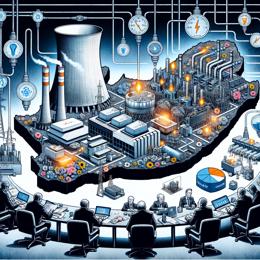
South Africa is once again at a critical juncture with its energy policy, as the government announces plans to procure 2,500 megawatts (MW) of nuclear power. This comes after a tumultuous history with nuclear energy procurement, one that Professor Hartmut Winkler argues is set to repeat its previous patterns of failure. The esteemed energy expert has raised substantial concerns regarding the announcement, suggesting that South Africa may be on the brink of another energy procurement debacle.
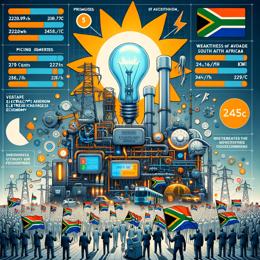
Electricity Minister Kgosientsho Ramokgopa made the controversial declaration on December 12, outlining a vision that involves securing energy independence and sovereignty through nuclear power. However, this ambitious plan is not without significant caveats. According to Winkler, not only is the timing of the announcement suspect, occurring just before the release of an updated Integrated Resource Plan, but it also seems to sidestep the urgency required to address the country’s immediate energy crises, such as the persistent problem of load-shedding.
The push for nuclear energy is not new to South Africa; it echoes the erstwhile administration of Jacob Zuma, which spearheaded a failed R1 trillion nuclear build-out. Lessons from that costly misstep appear to have been overlooked, as the government's current course seems remarkably similar. Winkler affectionately vocalizes his skepticism concerning the feasibility and probity of the procurement process, citing that the project could entail expenditures upwards of R250 billion.
The procurement process, soon to be set in motion, will seek to commission a capacity that strikingly aligns with the output of Russia's 1,200 MW nuclear reactor model—a detail that does not go unnoticed by Winkler. He argues that the specificity of the capacity might effectively narrow down the pool of potential bidders and curtail competitive fairness. This raises red flags around the sincerity of the process and suggests potential predeterminations in the bidding outcome.
The projected decade-long timeline leading up to the realization of the first nuclear unit underscores the non-immediacy of the solution this procurement plans to provide. Amidst a national energy crisis that demands swift and cost-effective remedies, the choice to pursue a technologically complex and financially demanding nuclear route rings alarm bells among experts and the public alike.
Aside from the procurement particulars, location controversy is projected to ensue once potential sites for the nuclear facilities are situated. Winkler suggests that the real contention is yet to surface, as strategic and environmental considerations coalesce with the political and economic complexities of such nationwide projects.
South Africa finds itself at a crossroads, where energy decisions hold profound implications for its economic stability, environmental integrity, and societal well-being. As the government navigates through these intricate negotiations and pivotal decisions, eyes will keenly watch for signs of transparency, accountability, and wisdom in steering the nation away from repetitive historical pitfalls.
Leave a Comment
Recent News