Content created by AI
South Africa's Cabinet Approves Groundbreaking Energy Blueprint for Sustainable Power Future
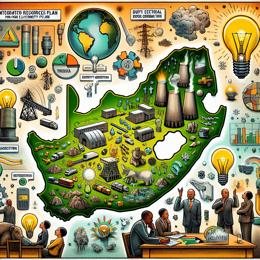
In an audacious move signaling a sharper pivot towards sustainable energy generation, South Africa's cabinet has endorsed the draft Integrated Resources Plan for 2023 (IRP 2023), as unveiled by the country's electricity minister, Kgosientsho Ramokgopa. This sentinel document, crucial for its guidance on government procurement of new energy generation capacity, reflects a significant shift in strategic approach towards an aging fleet of power stations operated by the national electricity provider, Eskom.
The discerning approval of the draft update of South Africa's energy roadmap took place last Friday, flagging imminent policy changes and management strategies over Eskom's end-of-life power stations. The IRP 2023, although yet to embark on its journey into the public domain for comments, is anticipated to unleash robust discussion across various stakeholders, tapping into the national consciousness of energy reliability and environmental accountability.
This strategic energy framework is designed to meticulously chart the course for energy infrastructure development, scrutinizing current electricity generation, laying out requirements, and pragmatically apportioning investments across diverse energy sources over the next decade. Integrating economic, environmental, and social considerations, the IRP 2023 also elucidates decommissioning strategies that resonate with global sustainability and climate action directives.
The draft plan arrives amidst times of heightened public focus on Eskom's operational challenges, including frequent load shedding and the need for modernization in harmony with global renewable energy trends. While the unfolding energy transition narrative promises a more resilient power grid, it further underscores the implications on employment and regional economies pivoted around the current coal-reliant system.
Stakeholders anticipate that the IRP 2023 will advocate for increased integration of renewable energy sources such as solar, wind, and hydropower into the national grid, cognizant of the declining cost trends and international finance shifts favoring green energy. This transition not only aligns with the Paris Agreement commitments but also potentially elevates South Africa as a pacesetter in energy transformation on the African continent.
Furthermore, the draft plan will likely address factors such as technology advancements, demand-side management, and the assimilation of distributed generation, encapsulating a holistic vision for a balanced and flexible power system. The government's participatory approach in calling for public input is a testament to the democratic ethos underpinning policy formulation and emphasizes the importance of consensus in pivotal matters impacting national interests.
Given the impending post-publication commentary phase, the IRP 2023 awaits critical review and constructive insights that will calibrate its final form. Governmental departments, industry players, civil society, and the citizenry at large are gearing up for an engagement where their voices and perspectives will shape the energy blueprint of the nation. This engagement will be crucial in ensuring the IRP responds adeptly to the energy needs of the present without compromising the capacity of future generations to meet their own needs.
As South Africa stands at the cusp of an energy paradigm shift, the cabinet's approval of the draft IRP 2023 marks a decisive stride towards operationalizing a sustainable, reliable, and economically viable energy sector that is attuned to the ecological imperatives of our age.
Leave a Comment
Recent News