Content created by AI
South Africa's Agricultural Shift: Contraction Amidst Record Harvests
The latest figures from South Africa's agricultural sector paint a perplexing picture – a bounty in crop production compromised by a significant downturn in economic performance. Despite favorable conditions resulting in historically high harvest numbers, the gross value added to the country's agricultural sector dropped by a worrying 9.6% in the third quarter of 2023, following a promising recovery in the preceding quarter.
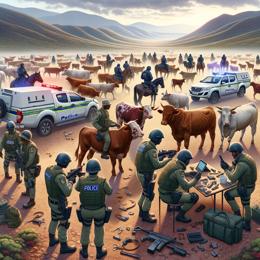
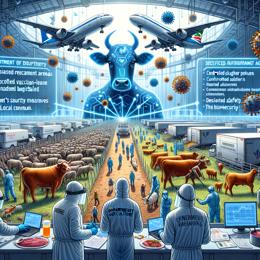
How did the sector, which experienced such positive growth conditions, manage to contract? The crux of the issue seems to lie in base effects, combined with pronounced struggles in the livestock and poultry subsectors. Diseases like foot-and-mouth, avian flu, and African swine fever have significantly impacted an industry that makes up nearly half the sector's value. Furthermore, inherent weaknesses identified in the country's biosecurity system have exacerbated the risk of infectious diseases, further amplifying the effects on these subsectors.
Beyond communicable diseases, South Africa's agricultural value-added figures have historically been volatile, with industry experts often encouraging a focus on annual rather than quarterly performances for a more accurate representation of the sector's health. Nevertheless, this latest contraction is substantial enough to shift the sector's projected growth trajectory from robust expansiveness to a possible mild contraction.
This downturn correlates with an increasingly pessimistic outlook within the agricultural community. Factors contributing to this gloom include rising geopolitical tensions, deteriorating national infrastructure, and poor performance of ports that directly influence farm profitability. Add to this the weakened municipalities, prevailing crime, and unstable energy supply, and it becomes clear why investment may be hindered, threatening long-term growth prospects.
However, it's not all grim. There is an optimistic view towards the 2023/24 summer season's weather conditions, despite concerns about the potential implications of El Nino. The South African Weather Service has forecasted that favorable weather could extend until early 2024, potentially counteracting the negative impact of the natural phenomenon on agricultural productivity.
That said, higher-than-normal temperatures predicted across the country do present another challenge, particularly for livestock and poultry farmers who must now preemptively tackle the risks of animal heat stress. Frugality and innovation in managing these stressors will be pivotal in maintaining animal health and productivity.
As we consider the broader context, it is imperative that both the South African government and the private sector take decisive action to address the myriad of issues currently undermining the agricultural sector. From bolstering biosecurity measures to upgrading infrastructure and developing comprehensive strategies to cope with climate-related challenges, a collective effort is needed to safeguard and stimulate growth in this vital sector of the economy.
Leave a Comment
Recent News