Content created by AI
Gazprombank's Strategic Entry into South Africa's Energy Sector Faces Scrutiny
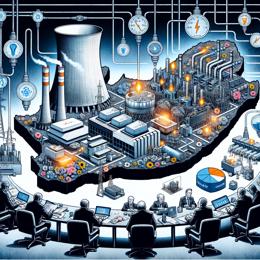
In a move that resonates through the corridors of the energy sector and the halls of international diplomacy, Russia’s Gazprombank has secured approval from the South African government to invest around $200 million in refurbishing a defunct gas-to-fuel refinery, a project that stands at the intersection of economic aspiration and geopolitical tension.
South Africa’s cabinet, following a recommendation from state-owned PetroSA, has endorsed the collaboration with the Russian bank's African branch, subject to a joint business case and other conditions to be met. Despite facing US sanctions since the onset of the conflict in Ukraine, Gazprombank remains integrated within the Swift payment system, maintaining its capacity to facilitate key trades in energy and agricultural commodities.
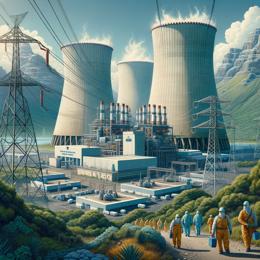
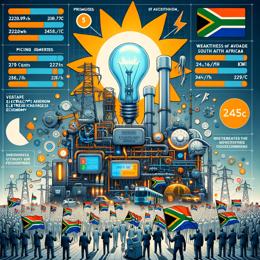
The decision to bring Gazprombank into South Africa's energy fold comes at a time when the nation grapples with a severe power crisis. The Mossel Bay refinery, located on the southern coast, fell silent in 2020 due to gas shortages and has contributed to an increased dependency on energy imports, including critical diesel supplies to embattled power utility Eskom. The latter's rolling blackouts have emphasized the urgency of addressing South Africa's energy security.
Yet, the arrangement has attracted scrutiny and criticism. The main opposition party, the Democratic Alliance, warns that the bank's involvement might heighten the risk of South Africa incurring international sanctions, and highlights what it perceives as a lapse in corporate governance and due diligence at PetroSA. The revelation of Gazprombank as a potential partner for PetroSA indeed raised eyebrows amid strife within South African-US relations over Pretoria's stance towards Moscow.
History underscores the refinery's strategic relevance, having originally been established to circumvent oil sanctions against the apartheid regime by converting gas into much-needed petrol and diesel. With exciting offshore gas discoveries by TotalEnergies looming on the horizon, South Africa has been keen to connect these finds to the onshore infrastructure, although progress towards such arrangements has been slow.
The preference for state-backed entities as financial partners in the refinery's resurrection was declared earlier this year, placing Gazprombank ahead of other international interests, including Azerbaijan’s national oil company and China Machinery Engineering Corporation. Gazprombank successfully emerged as the solitary qualifying bidder out of twenty contenders, despite rising international scrutiny of its activities.
South Africa’s Energy Minister Gwede Mantashe has previously expressed ambitious visions for investment in the country's gas sector, including the merger of PetroSA with other state energy assets. However, skeptics have cast doubt on the feasibility of such plans, questioning the state's financial capacity and the existing operational competency within the associated entities.
The involvement of Gazprombank represents a strategic entry into South African energy resurgence, while simultaneously echoing Russia's broader ambition to extend its energy influence despite Western attempts at isolation through sanctions. As this unfolds, the world watches to see how South Africa navigates the delicate balance between revitalizing its energy sector and maintaining international diplomatic relations.
#GOOGLE_AD
Leave a Comment
Recent News