Content created by AI
ANC's 25-Year Struggle with Energy Policy Implementation
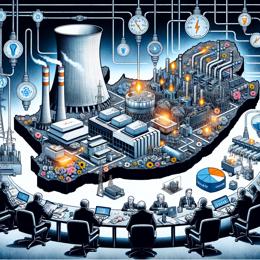
The failure of the ANC government to effectively implement its energy policies over the past quarter-century has led South Africa into its current electricity supply crisis, according to energy analyst Chris Yelland. Despite clear warnings outlined in the 1998 White Paper on the Energy Policy of the Republic of South Africa, subsequent years have seen little to no substantial progress in executing the said policies.
This White Paper had put forth a comprehensive plan addressing South Africa's energy sector's challenges and the steps needed to avert the looming energy crisis. Notably, it predicted that if there were no significant changes made, Eskom would drain its generation capacity surplus by 2007.
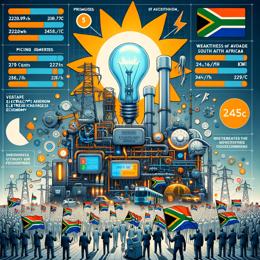
The ominous forewarnings of the White Paper are now the stark reality, with stage 6 load-shedding becoming a frequent occurrence in the daily lives of South Africans. Rolling blackouts have been a desperate measure to prevent a total collapse of the national grid. Yelland, speaking on Newzroom Africa, pointed out that the paper's recommendations for unbundling Eskom, creating a competitive electricity market, and allowing private sector participation are yet topics of discussion today, revealing a distressing stagnation in policy execution.
Eskom's woes are further complicated by the failed completion of the Medupi and Kusile power stations, which have been subject to severe delays and cost overruns. These developments have directly contributed to the energy crisis facing South Africa.
The comments by the former Eskom CEO Andre de Ruyter mirror the sentiment expressed by Yelland. De Ruyter overtly blamed the government for its mismanagement of the electricity network, a sentiment shared by former Eskom spokesperson Sikonathi Mantshantsha in his critique of the ANC's sole liability for the situation.
Frustrations have been voiced concerning statements made by Ramokgopa in Parliament, downplaying the role of individuals in the crisis. Mantshantsha's rebuttal pointedly assigned the blame to the ANC, accusing it of institutional looting and mismanagement.
As South Africa grapples with this energy crisis, it's clear that key policy initiatives have gone unenacted, and despite extensive plans and warnings, the government's inertia has culminated in a national issue that affects every South African's quality of life and business continuity. If meaningful action isn't taken, the country's economic progress and stability remain at severe risk.
Leave a Comment
Recent News