Content created by AI
South Africa Sets Electric Vehicle Manufacturing Target within Three Years
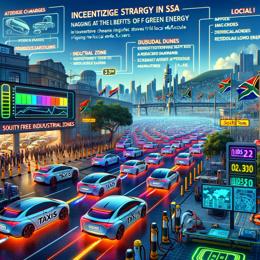
In an ambitious bid to join the global push towards sustainable transportation, South Africa is set to begin manufacturing battery-electric vehicles (EVs) within the next three years, according to Trade, Industry & Competition Minister Ebrahim Patel. This significant move underscores the country's commitment to reducing its dependence on traditional petrol and diesel internal combustion engines (ICE), as the government aims to prevent the South African motor industry from becoming obsolete in the face of rapid global advancements in EV technology.
Minister Patel announced on Monday that the government's electric-vehicle policy would initially focus on encouraging the local production of EVs, building the foundation for a thriving electric-vehicle manufacturing sector before pushing local sales to the forefront. This strategic approach not only aligns South Africa with international environmental standards but also positions the nation to capitalize on the expanding global EV market.
The minister's announcement comes as a proactive response to the mounting pressure on the automotive sector to adapt to cleaner modes of transportation. With climate change concerns driving global policy, the shift from ICE vehicles to EVs is gaining momentum. South Africa, recognizing the need to stay competitive and relevant in this changing landscape, is seizing the opportunity to transform its auto industry.
The timeline set forth by the minister envisions the start of EV manufacturing in South Africa within three years. However, it could be another six years before we see a significant push to encourage local consumers to adopt electric vehicles. Prioritizing production allows South Africa to develop the necessary infrastructure and expertise needed for a successful transition to EV manufacturing.
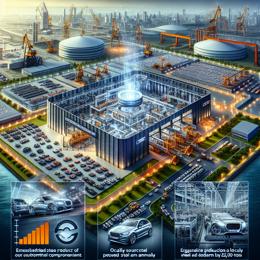
Investing in EV production is seen as a key step in modernizing the country's automotive industry and ensuring long-term economic viability. The development of an EV manufacturing base is expected to create jobs, stimulate the economy, and enhance technological skills and capabilities within the nation.
Despite the clear advantages of fostering a local EV market, South Africa faces several challenges, including the need for substantial investment in manufacturing facilities and establishing a widespread charging infrastructure to support EV adoption. Additionally, providing incentives to encourage consumer uptake and aligning with international environmental standards will be pivotal to the success of South Africa's EV aspirations.
The South African government's prioritization of EV manufacturing signifies a landmark moment in the country's journey towards a greener future and a redefined automotive industry. As the nation gears up to embark on this electrifying venture, all eyes will remain on the unfolding policy developments and industry collaborations that will drive South Africa’s expected leap into the world of electric vehicles.