Content created by AI
South Africa Accelerates Towards Electric Future with Strategic EV Roadmap
In a substantial leap toward an electrified future, South Africa has released its much anticipated electric vehicle (EV) roadmap. Minister of Trade, Industry, and Competition Ebrahim Patel announced the White Paper, a critical policy document designed to steer the nation into a new era of automotive manufacturing and consumption—rooted firmly in sustainability and innovation.
The minister’s proclamation made headlines at a media briefing in Pretoria, marking a significant pivot for the South African auto industry. The White Paper lays down an ambitious but realistic strategy aimed at transforming the current production landscape, which is heavily reliant on Internal Combustion Engine (ICE) vehicles, into a dual platform system. By 2035, it intends for EVs to roll out alongside their ICE counterparts, ensuring that the nation remains competitive in the global market.
Ebrahim Patel underlined that this strategy is not just about keeping up with global trends. It is a cautiously crafted result of years of stakeholder engagement spanning industry, government, and labor realms to curate a path that is not only viable but also sustainable for South Africa's unique economic fabric.
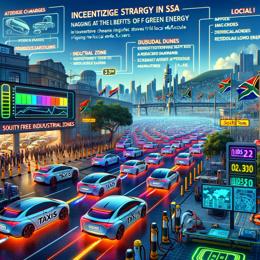
This vision is coherent with the Strategic Automotive Masterplan (SAAM), established in 2021 to sculpt the future of the nation’s automotive industry. It is also in line with both global market demands and South Africa's commitments to slash greenhouse gas emissions, addressing the urgent call to tackle climate change effects head-on.
In terms of economic impact, the automotive sector is a substantial contributor to South Africa’s GDP and employment rates. The implementation of this White Paper is expected to deepen the automotive value chain and stimulate growth within the local industry, while ensuring economic priorities are met without industrial sacrifices.
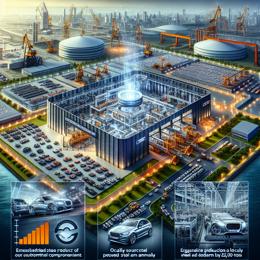
Expansion continues as Ebrahim Patel suggests that South Africa could witness the production of its first fully homegrown electric vehicles as early as 2026, a testament to the proactive strides the country is taking. The Cabinet’s approval of the White Paper on EVs aligns with the government's support for investments in manufacturing plants both new and existing, reinforcing the production of electric vehicles on South African soil.
Reference to the Green Paper on the advancement of new electric vehicles, published in 2021, was also made, having set the stage for the fully-fledged White Paper. It encompasses the extensive research, public input, and cross-sector consultations that have influenced the finalized policy direction.
As South Africa steers itself toward electric avenues, the roadmap is not just about shifting automotive gears; it’s a promise of a greener economy and a cleaner environment. The country’s mineral wealth poises it to take a strategic role in the global EV value chains, promising prosperity for industries and individuals alike.
By unveiling a systematic and cooperative approach for the transition, the EV roadmap is not just a marker on a page but a multi-faceted plan set to accelerate South Africa into an electrified future of economic resilience and environmental consciousness.