Content created by AI
Historic Victory for Indigenous Advocacy: Largest Dam Removal in the US on Klamath River
A groundbreaking environmental restoration effort is underway along the Klamath River in northern California, marking a major victory for indigenous rights and ecological conservation. After years of determined advocacy work by the indigenous community, particularly the Yurok Tribe, the United States has embarked on its largest dam removal project to date. This initiative is designed to address the precipitous decline in salmon populations, which have been negatively impacted by the construction of four hydroelectric dams from 1918 to 1962.
The river's significance extends beyond its ecological value; it represents a critical facet of the cultural and spiritual identity of the Yurok Tribe, who have fished its waters for generations. Barry McCovey, a Yurok Tribe member and director of their tribal fisheries, annually engages in salmon fishing—an activity integral to their way of life. However, adversity struck when the 2020 fishing season was canceled due to alarmingly low salmon runs, the second lowest on record.
Years of accumulated factors have decimated the salmon population, but the chief antagonist in this ecological drama has been identified as the disruptive dams that fragmented the river, impeding fish migration and spawning. The dam reservoirs consequently created stagnant waters, nurturing conditions rife for parasites and disease, devastating the aquatic life. The crisis peaked in 2002 with a massive fish kill, prompting tribes such as the Yurok to intensify efforts to protect the river ecosystem.
The licenses for the dams expired in 2006, unveiling a critical opportunity. Regulatory changes and enhanced fishery protection standards revealed the economic impracticality of updating the dams to conform to modern environmental regulations. Consequently, a settlement was pursued, culminating in the formation of the Klamath River Renewal Corporation (KRRC) in 2016. This body, in concert with California and Oregon state governments, spearheaded the initiative to dismantle the dams.
Final approval for the demolition arrived in 2022 from the Federal Energy Regulatory Commission (FERC), recognizing not only the ecological benefits but also the importance to the indigenous communities. Mark Bransom, KRRC's CEO, remembers it as a significant moment marked by FERC's acknowledgment of the project's impact on tribal interests—a progressive departure from historical oversight.
Guided by the wisdom of their ancestors, Yurok Tribe members, led by figures such as Amy Cordalis—a lawyer and tribal member—overcame significant socio-cultural obstacles to see this initiative come to fruition. Cordalis played an instrumental role, not only legally by advancing the Klamath's rights but also spiritually by pushing for its legal personhood recognition. This arduous journey was not devoid of poignant milestones, including the commencement of Copco 2's demolition in June and its completion in November.
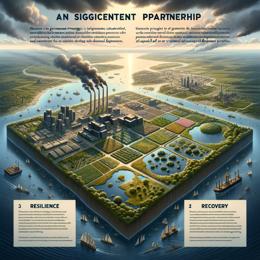
While the project is a monumental leap in the right direction, challenges persist. Climate change, wildfires, and pollution continue to threaten the river's health. Yet, McCovey and others remain optimistic, recognizing dam removal as a pivotal move towards bolstering the river's resilience and initiating a cycle of ecological and cultural recovery.
Looking toward the future, aspirations are high for the next salmon migration season. With dam removal underway, McCovey looks forward to reviving familial fishing traditions and strengthening the symbiotic bond with the Klamath River. The reverberating impacts of this movement extend beyond the river banks, symbolizing not just ecological restoration, but the perseverance, unity, and indomitable spirit of the Yurok Tribe and their allies.
#GOOGLE_AD
Leave a Comment
Recent News