Content created by AI
Minister Creecy Discusses Community Impacts with World Bank Post-Komati Plant Closure
Amid the echoes of deepening global environmental focus at COP28 in Dubai, South Africa's own spotlight shines on the aftermath of the decommissioning of the Komati power station. Environmental Minister Barbara Creecy is spearheading engagements with the World Bank, confronting the formidable socio-economic challenges thrust upon the communities of Mpumalanga.
The Komati power station, once a source of employment and economic activity, has left a void in its wake, not only in physical infrastructure but also in the livelihoods it supported. This decommissioning aligns with South Africa's commitment to transitioning from coal-fueled power to greener energy sources. However, parallel to these environmental imperatives is a tale of local repercussions and unanticipated hardships.
A preliminary report presented to the Presidential Climate Commission casts a stern light on the absence of consideration for the locals affected by the station's closure. The testimonies gathered paint a clear picture: the people feel overlooked, their woes unaddressed. These individuals form a tapestry of those directly or indirectly engaged with the power station's broader service provision ecosystem. Their sentiments are a blend of frustration and bitterness—the abrupt severance from a once stable source of livelihood, leaving many grasping for alternatives in a tenuous economic landscape.
Minister Creecy's dialogue with the World Bank seeks not only to bring international attention to these human costs but to explore potential mitigation strategies and support mechanisms. It is a balancing act of maintaining progress toward sustainable energy goals while ensuring the transition does not exacerbate inequality or neglect the communities that bore the brunt of this development.
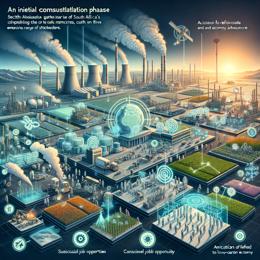
The complexities of the Komati power station's closure extend beyond the immediate job losses. It encompasses the fraying of community fabric, adjustments required in local businesses, transitioning skill sets to align with new industries and, crucially, crafting a sustainable model for economic regeneration in a post-coal era.
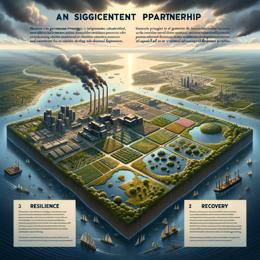
While the details of the discussions between Minister Creecy and the World Bank are yet to unfold, the anticipation runs high among those advocating for a 'just transition'—one that earnestly integrates the economic, social, and environmental dimensions. As South Africa navigates its path toward a carbon-neutral future, the lessons from Komati will undoubtedly shape the narrative and the policies that will follow.
Leave a Comment
Recent News