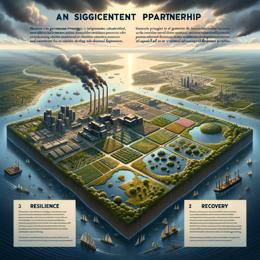
Image: AI generated for illustration purposes
COP28 Ushers in a New Era with Launch of Historic Loss and Damage Fund
In a historic move that could redefine the global approach to climate change, the 28th Conference of the Parties (COP28) currently taking place in Dubai has achieved unanimous consensus on one of the most contentious issues in climate negotiations. After three decades of discussions and debates, the Loss and Damage fund has been officially operationalised, garnering pivotal backing from 196 parties. This fund is a beacon of hope for developing and impoverished nations that disproportionately face the ravages of climate change.
The announcement on Thursday of an initial pledge of $475 million sets a precedent, marking the first time in history that a financial mechanism is in place specifically for rectifying some of the harm caused by climate-induced phenomena. The UAE has shown leadership with a generous contribution of $100 million. Alongside it, the European Union has put forth $275 million, while the United States and Japan have offered $17.5 million and $10 million, respectively. Despite this momentous beginning, the fund's overall size has raised concerns, as has the need to ensure transparency and effectiveness in its allocation.
The fund draws its origins from the grassroots advocacy of the Alliance of Small Island States, small nations that are often on the frontline of climate consequences. They have long argued for a dedicated mechanism to address the irreversible effects of climate change, such as sea-level rise and extreme weather events.
COP27 hosted in Egypt last year marked a turning point when parties finally agreed to forge the foundation of this fund. The journey since has been focused on laying the groundwork for how the fund will operate and determining which countries will qualify for its assistance.
The stakes are exceedingly high. According to the World Meteorological Organization, susceptible nations have suffered staggering economic losses, a figure that only promises to balloon if urgent, tangible support is not extended. The initial funds have been channelled through the World Bank, which is not without its detractors given its climate track record and transparency in operations. Dissenting voices argue that the fund as it stands is a drop in the ocean, insufficient to meet the climatic challenges we face.
The establishment of this fund represents a dual challenge. On one hand, it exhibits global acknowledgment of the need for climate justice - an accolade to the persistent voices who have fought for its creation. On the other hand, it opens a gamut of logistical and ethical considerations ranging from equitable distribution to ensuring the fund's expansion and sustainability.
Ambassador Pa’olelei Luteru of the Alliance of Small Island States has been vocal in reminding us that this is but a stepping stone. For the fund to be deemed successful, it must evolve into a mechanism that promptly and effectively empowers those at the frontline of climate adversity.
In sum, COP28 may have ignited the torch of hope, but the path remains rife with challenges. Whether the Loss and Damage fund will grow into the robust support system it is envisaged to be will depend on the unwavering commitment of the international community and its readiness to address not just the symptoms but the root causes of climate change.
Leave a Comment
Recent News