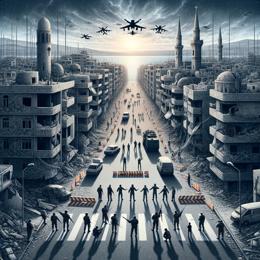
Image: AI generated for illustration purposes
Escalating Violence in Gaza as Israel Intensifies Campaign Amid Truce Talks
The situation in Gaza has taken a dire turn as Israel's military operations against Hamas intensify, marking a significant upsurge in the already tense standoff between the two entities. The recent breakdown of a fragile ceasefire has led to a resurgence of violence with Gaza’s health authorities reporting a devastating number of casualties, nearly 200 killed in the renewed strikes.
In a somber follow-up to a seven-day truce, the city of Khan Younis became the epicenter of an intensified Israeli bombardment campaign. Residents, having moved south from the more perilous northern parts of the enclave seeking relative safety, found themselves under immense fire. The Israeli military issued evacuations, instructing people to move even further south to Rafah, near the Egyptian border, indicating an anticipated expansion of their military footprint.
At the heart of the ceasefire's dissolution lies a contentious prisoner exchange negotiation between Hamas and Israel. Each side has pointed fingers at the other for the truce's failure, with disagreements over the terms concerning the release of hostages held by Hamas and Palestinian prisoners in Israeli jails. Despite mediation attempts by Qatar and Egypt, an arrangement to extend the truce beyond the initial seven days could not be secured.
The United Nations has sounded the alarm on the exacerbating humanitarian crisis in Gaza. Statements from top UN officials paint a grim picture of the situation, likening it to "Hell on Earth," underscoring the precariousness faced by families with no safe refuge and scant resources for survival. The momentary glimmer of peace has dwindled, leaving civilians in an all too familiar and perilous landscape of conflict.
During the ceasefire period, exchanges did see the release of hostages and prisoners from both sides; yet, it ultimately stalled with Israel accusing Hamas of withholding the release of all female detainees, and a Palestinian official citing Israeli intransigence regarding female Israeli soldiers.
The international community has taken note of the United States' role in providing Israel with weapon support including "bunker buster" bombs, indicative of a strategic partnership and shared concerns about the strength of Hamas in the region. Israel's military actions seem to have broader geopolitical implications, with Reuters citing sources on proposed plans for a buffer zone along Gaza's borders to prevent future attacks – plans communicated to Israel's regional allies.
Furthermore, the regional conflict’s tendrils have extended to Israel's other frontiers with both the Syrian and Lebanese borders experiencing escalations. These developments reflect a broader regional tension as Israel contends with the multi-pronged challenges posed by its neighbors, and potentially including the influence and involvement of Iran-supported groups like Hezbollah.
In conclusion, the scale and intensity of Israel's current operations against Hamas in Gaza underscore a critical juncture in the Israeli-Palestinian conflict, one that carries significant implications for regional stability and international diplomatic efforts. While negotiations continue behind closed doors, the immediate need for a ceasefire to prevent further loss of life and suffering remains paramount.
Leave a Comment
Recent News