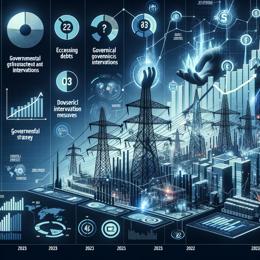
Image: AI generated for illustration purposes
Eskom's Diesel Dilemma: Budget Blown as Load Shedding Looms
South African power utility, Eskom, is on the brink of exhausting its diesel budget for the 2023/2024 financial year, with only about R3.6-billion remaining in its coffers. This concerning development comes as the state-owned entity has systematically exceeded its diesel budgets month-over-month, averaging a R3-billion expenditure monthly. The repercussions of this financial strain have echoed through the power grid, resulting in persistent and intense periods of load shedding that have crippled the South African economy and tested the patience of its citizens.
Throughout the period between 1 April and 28 November, Eskom parted with R24.3-billion from its total diesel budget to maintain production from its emergency diesel-powered generation fleet, according to reports confirmed by the utility to the Daily Maverick. This rate of spending is noticeably alarming, as it reveals a stark increase from the previous year's diesel expenditure, magnifying the urgency and severity of the power situation.
Against the backdrop of an aging and faltering coal-fired power fleet, Eskom has had little choice but to depend on its open-cycle gas turbines (OCGTs) to prevent higher stages of rolling blackouts. Despite the recommissioning of Kusile Power Station’s multiple units, which was expected to alleviate some of the stress on the power grid, Energy Minister Kgosientsho Ramokgopa’s optimism seems to fall flat when scrutinized against the reality of the ongoing power cuts and high consumption of diesel.
The situation begs the question: Will the recent synchronisation of Kusile Units, contributing 2,400MW of power back to the grid, have a meaningful impact on the grid's reliability and on subsequent diesel costs? Energy analysts are far from convinced, evidenced by the record diesel usage figures Eskom has racked up this November and the power grid's instability despite the added capacity.
As South Africa edges toward the festive season, the customary industry wind-down brings hope for a dip in electricity demand, which normally would translate into fewer blackouts. Unfortunately, this year's predictions are not as positive. Experts caution that given the pattern established in 2022, decreased industrial activity will likely not suffice to halt load shedding, as Eskom plans to leverage the period for ramping up maintenance, potentially contributing to more blackouts in the evenings.
Furthermore, the use of OCGTs has become a necessary but financially damaging expedient as it cashes in on Eskom's other budgetary resources, casting a shadow over the utility's financial health. The company, already struggling with debt servicing and under immense pressure, admits that it cannot borrow more money due to prohibitive National Treasury conditions, making the budgetary overruns a grim harbinger for Eskom's accounts.
In a nation where the reliability of electricity supply is a critical determinant of economic stability and growth, the dire financial and infrastructural state of Eskom raises significant concerns. Increased load shedding in the weeks leading up to next year’s elections poses a prominent issue for the ruling ANC, which faces waning support and cannot afford the political fallout of continued power instability.
In-depth analyses suggest that South Africa is not out of the woods yet regarding its energy woes. The country stares down the possibility of an underpowered holiday season and a strained start to the new year, as Eskom's diesel budget and power grid reliability hang by a thread.
Leave a Comment
Recent News