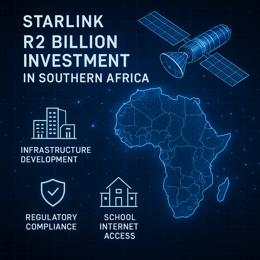
Image: AI generated for illustration purposes
SpaceX Seeks Growth Manager to Expand Starlink in Sub-Saharan Africa
Space Exploration Technologies Corp. (SpaceX), a trailblazer in aerospace and space transport services founded by Elon Musk, is eyeing significant expansion for its Starlink Internet service in Sub-Saharan Africa. To achieve this, SpaceX recently opened a job vacancy for a Growth Manager on the Greenhouse recruitment platform, signaling an ambitious drive to strengthen its presence on the African continent.
The role, which garnered attention following a report by Space in Africa, presents an opportunity for leaders in project management with a robust background in consulting. The chosen candidate will not only be tasked with pioneering Starlink’s market growth in the region, but they will also focus on refining the overall user experience — a pivotal aspect for the adoption of any technology service.
Setting up base in Nairobi, Kenya, the chosen Growth Manager will coordinate closely with the team at Starlink headquarters in Hawthorne, California. Their mission is comprehensive: to remove barriers that impede the service's growth, cultivate user satisfaction, and implement strategic initiatives that will hasten Starlink's adoption in target markets.
To be considered, applicants must have a Bachelor’s degree and a wealth of experience — at least five years in consulting or project management and three years with Excel and SQL. Furthermore, SpaceX expects candidates to have led interdisciplinary projects for more than two years and have the essential legal authorization to work within Africa.
As the technology titan behind this recruitment move, SpaceX emphasizes preference for those already legally entitled to work in Kenya, signaling the significance of this regional hub for SpaceX's strategy. The role demands a willingness to travel up to 50% of the time, demonstrating the dynamic nature of the position which stretches beyond regular office hours, including potential weekend work.
While many tech firms often station their Sub-Saharan Africa headquarters in South Africa due to its developed status, Starlink's adoption in the region has been selective and strategic. South Africa remains without a confirmed rollout date, although neighboring Kenya has been enjoying the service for four months. Other countries like Benin, Malawi, Nigeria, and Rwanda have also launched the satellite internet service, visibly outpacing South Africa, where regulatory and ownership hurdles persist.
The introduction of Starlink in these regions is part of SpaceX's broader intent to provide high-speed internet globally, especially in areas where access remains limited. The incoming Growth Manager may be instrumental in navigating the complex regulatory landscapes in countries like South Africa, which demands certain ownership criteria and licensing that SpaceX or its local entity should comply with to operate.
SpaceX has notably faced stymied efforts in South Africa, requiring an ECS licence and an ECNS licence to enhance its service's performance — licences that are currently stalled by regulatory freeze. The complications extend to the need for a 30% ownership by historically disadvantaged groups and the impossibility of obtaining these licences directly, given regulator Icasa’s position.
Notwithstanding these challenges, SpaceX could consider partnerships with local providers to meet regulatory demands, albeit with the consequence of potential cost hikes to consumers. Meanwhile, anticipating an official launch, over 4,000 South Africans have turned to imported Starlink kits to satiate their internet needs. ISPs specializing in Starlink imports have even slashed prices, suggesting a vibrant, underlying demand.
The successful candidate's responsibilities will be intrinsic to when and how Starlink develops its market share across Africa, certainly influencing the future of internet connectivity on the continent.
Leave a Comment
Recent News