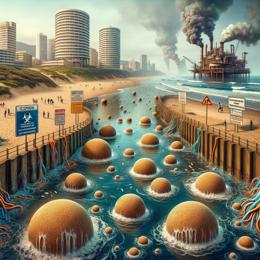
Image: AI generated for illustration purposes
Cape Town’s Coastal Pollution Woes: Excessive Sewage Discharge Sparks Legal Action
In a concerning revelation for environmentalists and residents alike, Cape Town has been found guilty of pumping more sewage into the ocean than the law permits, aggravating the coastal pollution issues the city is confronting. The facts have surfaced showing that the City of Cape Town has, on several occasions, exceeded the regulatory limits on volumetric discharge of sewage effluent into the ocean, particularly at Hout Bay, and this sewage has not met the minimum effluent standards.
Detailed scrutiny of the city's own data points to systematic non-compliance. Raw sewage, duly passed through a three-millimeter grid in an attempt to remove solids, is directed into the sea via a pipeline stretching 1.7 kilometers from the shore and 37 meters below the surface. This is just one among three marine outfalls in Cape Town, with the others located at Green Point and Camps Bay.
The permit for Hout Bay’s sewage outfall had been issued in 2019 by the Minister of Forestry, Fisheries and Environment, with the successive permits for Green Point and Camps Bay following in late 2022 and early 2023. Minister Barbara Creecy has mandated a public participation process concerning these permits, which concluded on the 21st of November. However, in a shocking disclosure sourced from a Promotion of Access to Information Act (PAIA) request filed by Michelle Wasserman, ActionSA's provincial chairperson, egregious violations were laid bare.
The said violations include the City having surpassed the five million liters a day mark on multiple occasions. During the first half-year stretch, an overwhelming one billion liters of sewage had been dumped, which decidedly breaches the permit’s maximum volume stipulation and without the Department of Forestry, Fisheries and Environment's (DFFE) authorization. Worse still, the quality of discharged sewage is also below par, with reported excesses in suspended solids, chemical oxygen demand, and pH levels. If that wasn't enough, potentially harmful substances such as arsenic and mercury have not been adequately monitored.
The DFFE’s permit also required Cape Town to establish an advisory forum to oversee and discuss any breaches, which appears unformed, given an incomplete response by the city to Wasserman’s request for information about this forum. The unabiding approach taken by the City has triggered Wasserman to initiate a criminal charge against the city for a violation of the Integrated Coastal Management Act.
In response to the concerns raised, City water and sanitation representative Zahid Badroodien indicated the city's operation within the current permit parameters. Additionally, a study to assess other methods of sewage treasuring before disposal is purportedly underway. Despite the reassurances provided by Cape Town's officials, the breach of environmental regulations represents a serious transgression with significant implications for marine ecosystems and public health.
The City's approach to managing sewage outputs into the marine environment could potentially herald systemic changes and foster more sustainable wastewater management practices, depending on the outcome of legal and civil actions. The public, it seems, demand a clearer picture and tangible solutions to a problem that taints the natural beauty and ecological balance of Cape Town's sea waters.
Leave a Comment
Recent News